Why do I keep getting acne? Learn about common acne causes, triggers, hormonal factors, recurring breakouts and effective treatment options.
Why Do I Keep Getting Acne? Causes, Triggers & Treatment
Introduction
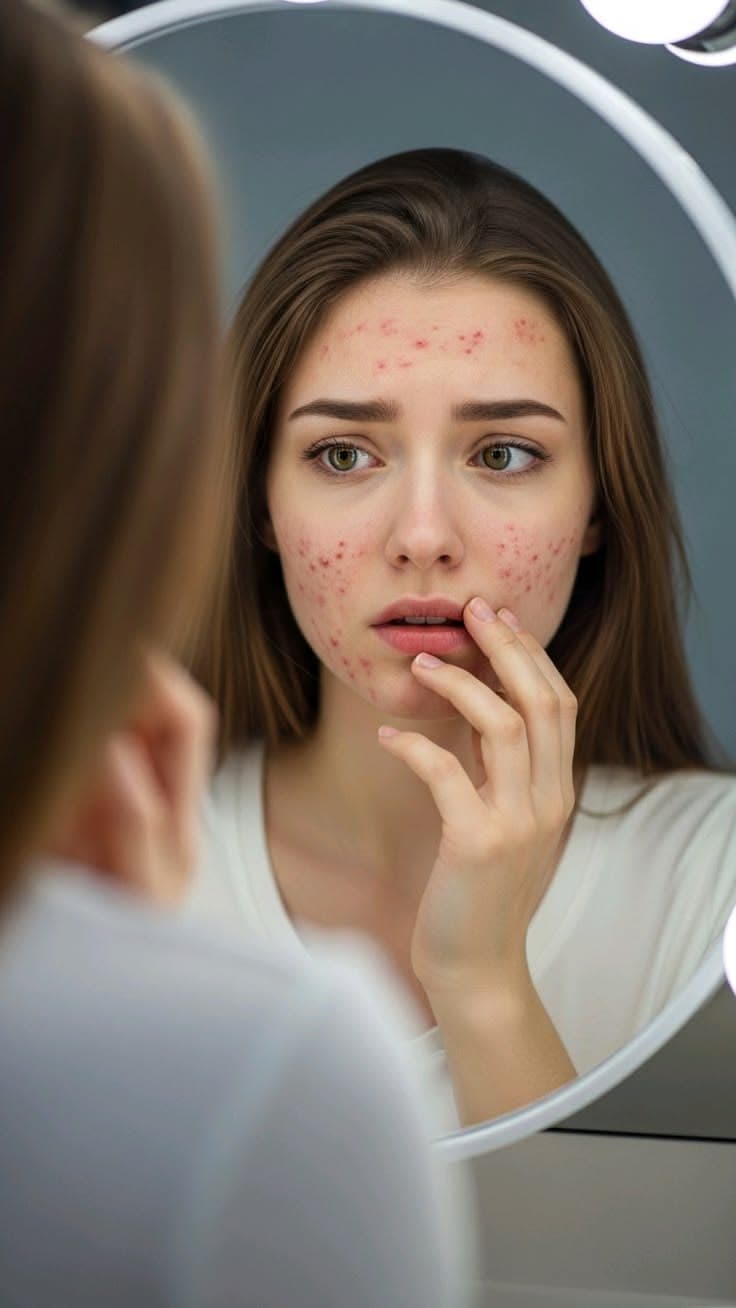
If you keep getting acne despite washing your face regularly or trying different skincare products, you may wonder why the breakouts continue to return.
Recurring acne can have several causes. Excess oil production, blocked pores, hormonal changes, inflammation, genetics, certain medications, skincare products, and other factors can all contribute to repeated breakouts.
Acne can affect teenagers as well as adults and may appear as blackheads, whiteheads, pimples, red inflammatory bumps, or deeper lesions.
Understanding why acne keeps returning is an important first step toward choosing an appropriate treatment. Simply treating individual pimples without addressing the factors contributing to recurring acne may not provide adequate long-term control.
In this guide, we will discuss the common causes and triggers of recurring acne, when professional treatment may be necessary, and the treatment options that may be considered.
If you are experiencing persistent acne in Lahore, a professional skin assessment can help determine the type and severity of your acne and guide an appropriate treatment plan.
Why Do I Keep Getting Acne?
There is rarely one single reason why acne keeps coming back. Acne develops through a combination of factors that affect the hair follicles and oil glands in the skin.
Common reasons for recurring acne include:
- Excess production of skin oil.
- Dead skin cells blocking pores.
- Inflammation within the skin.
- Hormonal fluctuations.
- Genetic tendency toward acne.
- Certain medications.
- Skincare or cosmetic products that may contribute to clogged pores.
- Picking or squeezing existing acne.
- Incomplete or inconsistent treatment.
- Stress and other factors that may influence breakouts.
Some people may experience acne for a few months, while others may have recurrent acne for several years.
Identifying the pattern of your breakouts can help determine which factors may be contributing to your acne and whether professional treatment is appropriate.
Common Causes of Recurring Acne
Recurring acne usually develops because several processes occur together within the hair follicles.
Excess Oil Production
Sebaceous glands produce sebum, an oily substance that helps protect and lubricate the skin. When excessive oil is produced, it can contribute to clogged pores and acne formation.
Blocked Pores
Dead skin cells can accumulate inside hair follicles and combine with sebum, creating conditions that can lead to blackheads, whiteheads, and inflammatory acne.
Inflammation
Once a pore becomes blocked, inflammation can develop around the follicle. This can result in red, swollen, and sometimes painful acne lesions.
Hormonal Changes
Hormonal fluctuations can influence oil production and may contribute to acne during puberty, menstrual cycles, pregnancy, or other hormonal changes.
Genetics
People with a family history of acne may be more likely to develop persistent or recurring breakouts.
Understanding these underlying factors is more useful than simply treating individual pimples as they appear.
Hormonal Changes and Acne
Hormones can play an important role in acne, particularly during puberty and in some adults.
Androgens can stimulate the sebaceous glands and increase oil production. Changes in hormone levels may therefore contribute to increased pore blockage and inflammation.
Hormonal acne may sometimes appear around the:
- Chin.
- Jawline.
- Lower cheeks.
- Lower face.
Some people notice that acne becomes worse at particular times during their menstrual cycle.
Adult acne does not automatically mean that there is a hormonal disorder. However, persistent acne accompanied by other symptoms may require further medical assessment.
If hormonal acne is suspected, a healthcare professional can evaluate the patient's history and determine whether additional assessment or treatment is appropriate.
Can Diet Cause Acne?
The relationship between diet and acne is complex. Diet is not considered the only cause of acne, and changing your diet alone may not completely control recurring breakouts.
Research suggests that certain dietary patterns may influence acne in some individuals. Foods that cause rapid increases in blood glucose and certain dairy products have been studied in relation to acne, although individual responses can vary.
Instead of following highly restrictive diets, it is generally more useful to maintain a balanced diet and observe whether particular foods appear to consistently coincide with breakouts.
If you notice a clear relationship between a specific dietary pattern and your acne, discuss it with a healthcare professional rather than making unnecessary or extreme dietary restrictions.
Skincare Habits That May Trigger Breakouts
Some skincare habits can contribute to irritation or clogged pores, particularly when products are not appropriate for the individual's skin type.
Potential problems include:
- Using harsh cleansers too frequently.
- Excessive scrubbing.
- Applying heavy or pore-clogging cosmetic products.
- Frequently touching the face.
- Sleeping with makeup on.
- Changing acne products too frequently.
- Using multiple irritating active ingredients at the same time.
- Failing to use appropriate sun protection.
Washing the face aggressively does not necessarily prevent acne. Excessive cleansing or scrubbing can irritate the skin and make some acne-prone skin more uncomfortable.
A simple, consistent skincare routine is often preferable to repeatedly changing products.
Stress and Acne
Stress does not necessarily cause acne on its own, but it may influence existing acne in some people.
During periods of stress, changes in hormones and inflammatory processes may contribute to worsening breakouts. Stress may also affect sleep, skincare habits, diet, and other behaviors that can indirectly influence acne.
If you notice that your acne becomes worse during stressful periods, improving sleep, maintaining a consistent skincare routine, exercising regularly, and using appropriate stress-management strategies may be helpful alongside medical acne treatment when needed.
Persistent or severe acne should not simply be attributed to stress without considering other possible causes.
Why Does Acne Keep Coming Back?
Acne can keep returning because the underlying factors that contribute to acne formation may continue even after individual pimples disappear.
For example, a person may treat visible pimples but continue to experience:
- Excess oil production.
- Blocked pores.
- Hormonal fluctuations.
- Ongoing inflammation.
- Genetic susceptibility.
- Irritating skincare habits.
- Inconsistent treatment.
Another reason acne may return is stopping treatment as soon as the skin begins to improve.
Acne management often requires consistency over time. The treatment plan may also need to change depending on how the skin responds.
If acne continues to return despite appropriate skincare, a professional assessment can help determine whether a different treatment approach is needed.
Why You Shouldn't Keep Squeezing Pimples
Picking, squeezing, or repeatedly touching acne lesions can increase inflammation and damage the surrounding skin.
This may increase the risk of:
- Prolonged inflammation.
- Post-inflammatory hyperpigmentation.
- Scabbing.
- Infection.
- Acne scarring.
Deep or painful acne lesions are particularly unsuitable for squeezing because they can be located deeper within the skin.
Instead of repeatedly manipulating the lesion, appropriate acne treatment can help reduce inflammation and support the healing process.
If acne is frequently leaving dark marks or scars, professional treatment should be considered.
When Should You See a Doctor for Acne?
You should consider professional acne assessment if your acne is persistent, painful, severe, or repeatedly returning despite basic skincare.
A consultation may be particularly useful if:
- Acne is leaving permanent scars.
- You have painful nodules or cyst-like lesions.
- Breakouts are becoming more frequent.
- Acne is affecting your confidence or quality of life.
- Over-the-counter products have not helped.
- Acne suddenly becomes significantly worse.
- Acne is associated with other hormonal symptoms.
- You are unsure which treatment is appropriate for your skin.
Early and appropriate management may help control active acne and reduce the risk of long-term complications.
Acne Treatment Options
There is no single acne treatment that works for everyone. Treatment depends on the type and severity of acne, the patient's age, skin type, medical history, and previous treatments.
Depending on the individual situation, acne management may include:
Topical Treatments
Topical medications may help reduce clogged pores, inflammation, and acne formation. Common ingredients include retinoids, benzoyl peroxide, salicylic acid, and other prescription treatments.
Oral Medications
For moderate, severe, or persistent acne, oral medications may sometimes be considered. These should be selected and monitored by an appropriate healthcare professional.
Chemical Peels
Selected chemical peels may be used to help manage acne, clogged pores, and some forms of post-acne pigmentation. The type and strength of the peel should be selected according to the patient's skin condition.
Professional Acne Procedures
Some patients may benefit from clinic-based procedures as part of a broader acne management plan. The appropriate procedure depends on the patient's acne type, skin sensitivity, pigmentation, and treatment goals.
Acne Scar Treatment
Acne scars require a different approach from active acne. Once active breakouts are controlled, specific treatments can be considered based on whether the scars are atrophic, rolling, boxcar, ice-pick, or raised.
How Long Does Acne Treatment Take?
Acne treatment usually requires time and consistency. The speed of improvement depends on the severity of acne, treatment selected, skin response, and how consistently the treatment plan is followed.
Some patients may notice improvement within several weeks, while more persistent acne may require several months of management.
It is important not to expect immediate results from most acne treatments. Skin needs time to respond, and treatment may need to be adjusted depending on progress.
Regular follow-up can help determine whether the current treatment is working and whether any changes are necessary.
How to Prevent Recurring Acne
It may not always be possible to completely prevent acne, particularly when genetic or hormonal factors are involved. However, several habits can help support acne management.
Helpful practices may include:
- Follow a consistent skincare routine.
- Use products suitable for acne-prone skin.
- Avoid excessive scrubbing.
- Avoid repeatedly touching or squeezing pimples.
- Remove makeup before sleeping.
- Use appropriate sun protection.
- Follow prescribed acne treatment consistently.
- Avoid changing multiple acne products at the same time.
- Attend follow-up appointments when recommended.
If acne continues despite these measures, professional assessment can help identify additional treatment options.
Acne Treatment in Lahore
If you are looking for Acne Treatment in Lahore, Skinnex Clinic provides individualized acne assessment and treatment planning based on the patient's skin condition.
The treatment approach may involve topical or oral medication, professional skin procedures, skincare guidance, or a combination of treatments depending on the type and severity of acne.
Dr Muhammad Khalid Baloch assesses the patient's acne pattern, skin type, previous treatment history, and concerns before developing an appropriate treatment plan.
You can learn more about our dedicated service here:
A professional consultation can help determine whether your acne is mild, moderate, severe, hormonal, inflammatory, or associated with other skin concerns.
Frequently Asked Questions
Why do I keep getting acne even after treating it?
Acne can return because factors such as oil production, blocked pores, hormonal changes, inflammation, and genetic susceptibility may continue even after individual pimples disappear.
Does washing my face more often prevent acne?
Not necessarily. Excessive washing and scrubbing can irritate the skin and may make acne-prone skin more uncomfortable. A gentle and consistent cleansing routine is generally preferable.
Can stress make acne worse?
Stress may contribute to worsening acne in some people, although it is not considered the only cause of acne.
Can hormonal changes cause acne?
Yes. Hormonal fluctuations can increase oil production and contribute to acne, particularly during puberty and in some adults.
Can food cause acne?
Diet is not the only cause of acne. Some dietary patterns may influence acne in certain people, but individual responses vary.
Should I squeeze pimples?
It is generally better to avoid squeezing or picking acne because this can increase inflammation and the risk of pigmentation and scarring.
Can acne cause permanent scars?
Yes. Inflammatory and severe acne can increase the risk of permanent acne scars.
How long does acne treatment take?
The timeline varies depending on the severity of acne and treatment used. Improvement may take several weeks or longer, and ongoing management may be necessary.
Can adults get acne?
Yes. Acne can occur in adults as well as teenagers and may sometimes be associated with hormonal changes, genetics, medications, or other factors.
When should I see a doctor for acne?
Professional assessment is recommended when acne is persistent, painful, severe, repeatedly returning, leaving scars, or not improving with basic skincare.
Final Thoughts
If you keep getting acne, the problem is not necessarily that you are doing something wrong. Acne is a complex skin condition influenced by oil production, blocked pores, inflammation, hormones, genetics, and other factors.
The most appropriate treatment depends on the type and severity of your acne and your individual skin characteristics.
Avoid repeatedly squeezing pimples or constantly changing skincare products without a clear treatment plan. If acne is persistent or causing scars, professional assessment can help identify the underlying pattern and appropriate treatment options.
For patients looking for Acne Treatment in Lahore, a consultation at Skinnex Clinic can help determine a personalized approach for managing active acne and related skin concerns.
This article is general information, not medical advice. Suitability, outcomes and recovery vary between individuals and can only be confirmed after an in-person assessment.
All articles