Acne Treatment in Lahore
Acne Treatment in Lahore is designed to manage pimples, blackheads, whiteheads, inflammatory acne, and other forms of acne that can affect the face, chest, back, and other areas of the skin.
Acne can develop at different ages and may be influenced by factors such as excess oil production, blocked hair follicles, hormonal changes, genetics, inflammation, medications, and certain lifestyle factors.
The appropriate acne treatment depends on the type and severity of acne, the patient's age, skin type, previous treatments, and whether acne has caused scarring or pigmentation.
At Skinnex Clinic, acne treatment is planned according to the patient's individual skin condition. The goal is to control active acne, reduce inflammation, help prevent new breakouts, and minimize the risk of long-term acne marks and scarring.
A proper skin assessment is important before starting treatment because different types of acne may require different treatment approaches.
About Dr Muhammad Khalid Baloch
Dr Muhammad Khalid Baloch is associated with Skinnex Clinic in Lahore and focuses on aesthetic and skin treatments. His areas of practice include acne management, hair restoration, FUE hair transplantation, DHI hair transplantation, beard hair transplantation, eyebrow hair transplantation, PRP-based hair treatments, and other aesthetic procedures.
For acne patients, Dr Muhammad Khalid Baloch evaluates the type and severity of acne, skin condition, previous treatments, acne marks or scarring, and individual treatment goals before developing an appropriate treatment plan.
The treatment approach is based on the patient's individual skin condition, with an emphasis on controlling active acne, reducing inflammation, preventing further breakouts, and managing the risk of acne-related marks and scars.
What Is Acne?
Acne is a common inflammatory skin condition that develops when hair follicles become blocked with oil, dead skin cells, and other cellular material. Inflammation and changes involving skin bacteria can contribute to the development of acne lesions.
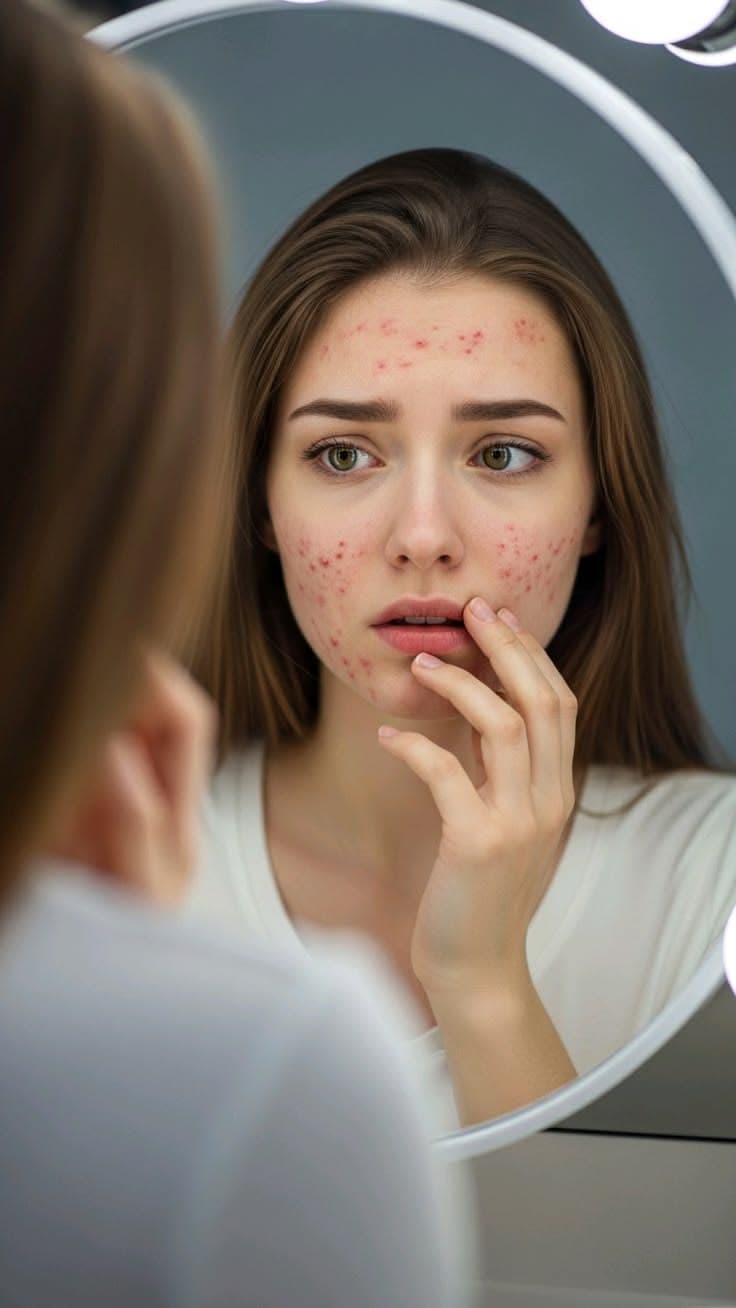
Acne can appear as blackheads, whiteheads, pimples, red bumps, pustules, nodules, or cysts. It commonly affects the face but can also occur on the chest, back, shoulders, and other areas.
Acne severity varies from mild occasional breakouts to more persistent inflammatory acne that may increase the risk of permanent scarring.
Early and appropriate treatment can help control acne and reduce the likelihood of complications such as post-inflammatory pigmentation and acne scars.
What Causes Acne?
Acne can develop due to a combination of several factors rather than one single cause.
Common contributing factors include:
- Excessive oil production by the sebaceous glands.
- Blockage of hair follicles with dead skin cells and sebum.
- Hormonal changes, particularly during puberty and certain hormonal conditions.
- Inflammation within the skin.
- Genetic tendency toward acne.
- Certain medications.
- Friction or pressure on the skin.
- Some cosmetic or skincare products that may contribute to clogged pores.
Hormonal changes can be particularly relevant in some adults, especially when acne appears around the jawline, chin, or lower face.
A clinical assessment can help identify possible contributing factors and determine the most appropriate treatment approach.
Types of Acne
Acne can appear in several different forms, and treatment may vary depending on the type and severity.
Blackheads
Blackheads are open clogged pores that appear dark because of changes in the material inside the pore when it is exposed to air.
Whiteheads
Whiteheads are closed clogged pores that appear as small, pale or skin-colored bumps.
Papules
Papules are small, raised, inflamed bumps that may appear red and tender.
Pustules
Pustules are inflamed acne lesions containing visible pus.
Nodules
Nodular acne involves larger, deeper, and often painful inflammatory lesions within the skin.
Cystic Acne
Cystic acne involves deep inflammatory lesions and may carry a higher risk of scarring. More severe acne should be assessed by a qualified healthcare professional.
Who Needs Acne Treatment?
Acne treatment may be appropriate for people experiencing persistent or recurrent breakouts, inflammatory acne, painful lesions, acne-related pigmentation, or acne that is affecting confidence and quality of life.
Professional assessment may be particularly important if:
- Acne is persistent despite basic skincare.
- Pimples are painful or deeply inflamed.
- Acne is leaving dark marks or scars.
- Breakouts are becoming more frequent or severe.
- Acne is affecting the face, chest, back, or multiple areas.
- Over-the-counter products have not provided adequate improvement.
- Acne appears to be associated with hormonal changes.
- Previous acne treatments caused significant irritation or other problems.
The earlier appropriate treatment is considered, the better the opportunity may be to control active acne and reduce the risk of long-term scarring.
How Is Acne Treated?
Acne treatment depends on the type, severity, location, duration, and individual characteristics of the patient's skin.
Treatment may involve topical medications, oral medications, professional procedures, skincare adjustments, or a combination of approaches.
Depending on the patient's condition, a treatment plan may include:
- Topical acne medications.
- Oral medications when clinically appropriate.
- Treatments to reduce inflammation and clogged pores.
- Chemical peels for selected patients.
- Professional acne-focused procedures.
- Treatments for post-acne pigmentation.
- Acne scar treatments after active acne is controlled.
- A suitable home skincare routine.
Not every treatment is appropriate for every patient. The treatment plan should be selected after assessing the patient's skin and medical history.
Acne Treatment Options
Different acne treatments may be used depending on the patient's specific condition.
Topical Treatments
Topical treatments may help reduce clogged pores, inflammation, and acne-causing factors. Commonly used ingredients may include retinoids, benzoyl peroxide, salicylic acid, or other prescription treatments depending on the patient's needs.
Oral Treatments
For moderate to severe or persistent acne, oral medication may sometimes be considered. The choice of medication depends on the patient's age, medical history, acne severity, and other factors.
Some prescription acne medicines require medical supervision and appropriate monitoring.
Chemical Peels
Certain chemical peels may be used in selected patients to help manage acne, clogged pores, and post-acne pigmentation. The choice of peel and its concentration should be based on the patient's skin type and condition.
Professional Acne Procedures
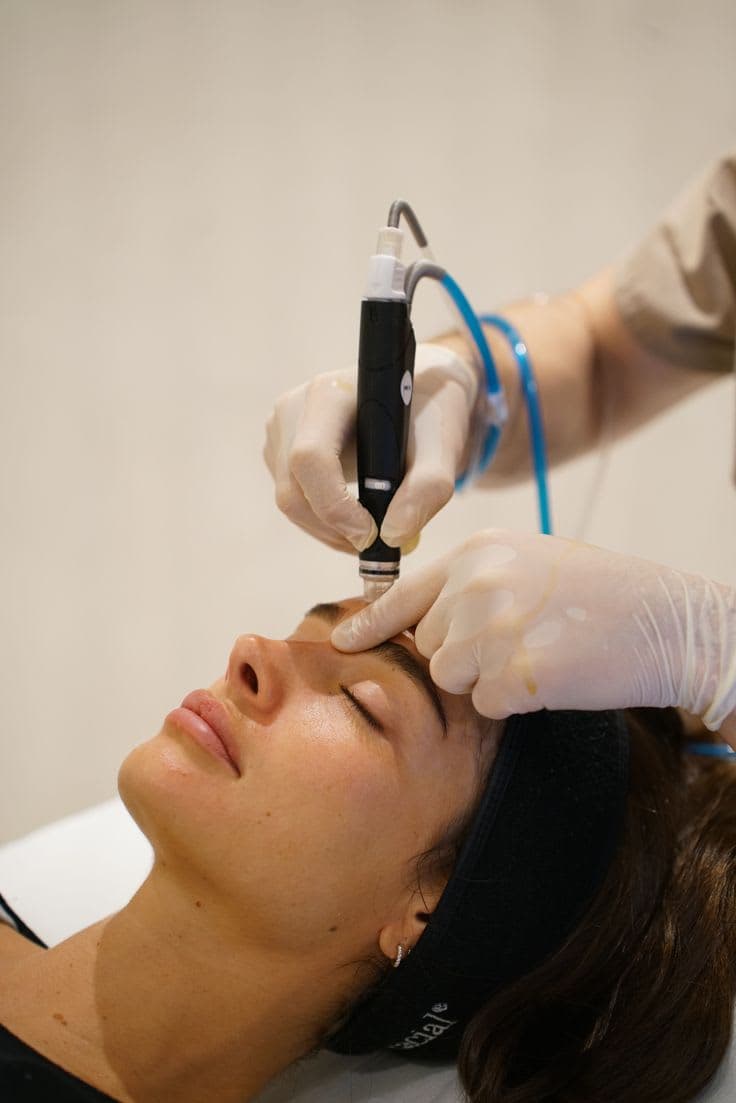
Some patients may benefit from clinic-based procedures as part of a broader acne management plan. These treatments should be selected according to the patient's active acne, skin sensitivity, pigmentation, and treatment goals.
Acne Scar Treatment
If acne has already caused scars, scar treatment is generally considered separately from active acne management. Treatment options may include procedures selected according to the type and depth of the scar.
Acne Treatment for Different Skin Types
Acne can occur in different skin types, including oily, dry, combination, and sensitive skin. The same treatment approach may not be appropriate for every patient.
People with oily skin may require treatments that help control excess oil and clogged pores, while patients with sensitive or dry skin may require a more gradual and gentle approach to reduce irritation.
Patients with darker skin tones may also require particular attention when selecting procedures because inflammation or irritation can sometimes increase the risk of post-inflammatory hyperpigmentation.
A personalized assessment can help determine suitable products, procedures, treatment intensity, and aftercare for the individual's skin type.
How Long Does Acne Treatment Take?
The time required to control acne varies depending on the severity of the condition, the treatment approach, skin response, and consistency with the recommended treatment plan.
Some patients may notice improvement within several weeks, while more persistent or severe acne may require a longer treatment period.
Acne treatment is usually a process rather than a single procedure. Regular follow-up can help assess progress and allow the treatment plan to be adjusted when necessary.
It is also important to continue appropriate skincare and follow medical instructions even after acne begins to improve, as stopping treatment too early may allow breakouts to return.
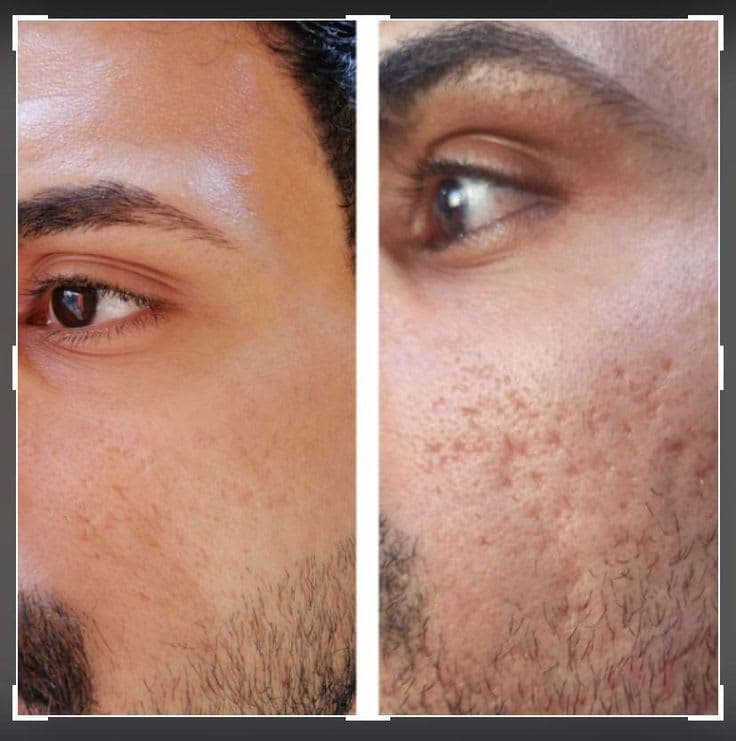
Acne Treatment Before and After
Acne treatment results develop gradually and can vary considerably between individuals.
Potential improvements may include:
- Fewer active acne lesions.
- Reduced redness and inflammation.
- Fewer clogged pores and breakouts.
- Improvement in overall skin texture.
- Reduction in the appearance of some post-acne marks.
- Better control of recurrent acne.
Before-and-after photographs should be interpreted carefully because lighting, camera settings, skin preparation, and the time between photographs can affect how the skin appears.
Active acne and acne scarring are also different concerns. Treating active acne is generally an important first step before focusing on procedures specifically designed for acne scars.
Individual results cannot be guaranteed, and the expected outcome depends on the patient's skin condition and response to treatment.
Acne Treatment Cost in Lahore
The cost of acne treatment in Lahore varies depending on the type and severity of acne and the treatment plan recommended for the individual patient.
Factors that may affect the cost include:
- Severity and type of acne.
- Number of treatment sessions required.
- Whether prescription medication is required.
- Type of professional procedure selected.
- Skin type and sensitivity.
- Whether pigmentation or acne scarring also needs treatment.
- Follow-up and aftercare requirements.
Because acne treatment is personalized, a fixed price may not accurately represent the treatment required for every patient.
At Skinnex Clinic, the recommended treatment plan and estimated cost can be discussed after a skin assessment and consultation.
Possible Side Effects and Risks of Acne Treatment
Acne treatments are generally selected according to the patient's skin condition, but side effects can occur depending on the medication or procedure used.
Possible effects may include:
- Temporary dryness.
- Skin peeling or flaking.
- Redness or irritation.
- Increased sensitivity.
- Temporary burning or stinging.
- Increased sensitivity to sunlight with certain treatments.
- Temporary worsening of irritation.
- Changes in skin pigmentation after inflammation or certain procedures.
Prescription medications can have additional side effects and may require medical monitoring.
Patients should follow the treatment and skincare instructions provided by their healthcare professional and report significant or persistent reactions.
Why Choose Skinnex Clinic for Acne Treatment in Lahore?
Choosing the appropriate acne treatment begins with understanding the patient's individual skin condition rather than using the same treatment for everyone.
At Skinnex Clinic, acne treatment is approached according to the patient's acne type, severity, skin type, previous treatment history, and individual goals.
Individual Skin Assessment
The skin is assessed to understand the type and severity of acne and whether pigmentation or scarring is also present.
Personalized Treatment Planning
Treatment options are selected according to the patient's individual condition rather than applying a single treatment to every acne patient.
Focus on Long-Term Acne Management
The aim is not only to address existing breakouts but also to help control recurring acne and reduce the risk of acne-related marks and scarring.
Professional Follow-Up
Follow-up allows the response to treatment to be assessed and the treatment plan to be adjusted when necessary.
If you are looking for acne treatment in Lahore, a professional consultation can help determine which treatment options may be appropriate for your skin.
Frequently Asked Questions About Acne Treatment in Lahore
Can acne be completely cured?
Acne can often be effectively controlled, but it may recur in some people. Treatment aims to reduce active acne, prevent new breakouts, and minimize complications such as scarring.
How long does acne treatment take?
The timeline varies according to the severity of acne and the treatment used. Some patients may notice improvement within several weeks, while others require longer-term management.
Can acne leave permanent scars?
Yes. Severe or inflammatory acne can increase the risk of permanent acne scars. Early and appropriate acne management may help reduce this risk.
Is acne treatment suitable for teenagers?
Acne is common during adolescence, and treatment can be appropriate for teenagers depending on their age, acne severity, skin condition, and medical history.
Can adults develop acne?
Yes. Acne can occur in adults as well as teenagers. Adult acne may sometimes be associated with hormonal changes, medications, genetics, or other factors.
Can acne treatment also remove acne scars?
Active acne and acne scars require different approaches. Once active acne is controlled, specific scar treatments may be considered depending on the type and severity of the scars.
Should I squeeze my pimples?
Repeatedly squeezing or picking acne lesions can increase inflammation and may increase the risk of pigmentation and scarring. Professional treatment and appropriate skincare are generally preferable.
When should I see a doctor for acne?
You should consider professional assessment if acne is persistent, painful, severe, leaving scars, affecting your confidence, or not improving with basic skincare.
Book an Acne Consultation in Lahore
If you are experiencing persistent acne, painful pimples, recurrent breakouts, acne marks, or concerns about acne scarring, a professional skin assessment can help identify an appropriate treatment approach.
At Skinnex Clinic, acne treatment plans are developed according to the patient's individual skin condition, acne severity, treatment history, and goals.
Book a consultation to discuss your acne and learn which treatment options may be suitable for your skin.
Suitability, session counts and recovery vary between individuals. Details are confirmed during your in-person assessment.