Spider Veins Treatment in Lahore: What You Need to Know
Small red, purple, or bluish blood vessels can become visible on the face and may be a noticeable cosmetic concern. These vessels are often described as spider veins, thread veins, or telangiectasia and can commonly appear around the nose, cheeks, chin, and other areas of the face.
Spider Veins Treatment in Lahore may involve laser or other vascular treatment approaches depending on the size, colour, location, and appearance of the visible blood vessels. Laser-based treatment can target selected blood vessels while aiming to minimize effects on the surrounding skin.
It is important to understand that not every visible facial vein has the same cause. Facial spider veins may occur alongside conditions such as rosacea, sun-related vascular changes, or other skin conditions. A proper skin assessment is therefore important before choosing a treatment.
In this guide, we will explain what spider veins are, what causes visible facial veins, how laser treatment works, who may be suitable, how many sessions may be needed, what results to expect, possible side effects, aftercare, and the factors that can affect the cost of spider veins treatment in Lahore.
What Are Spider Veins?
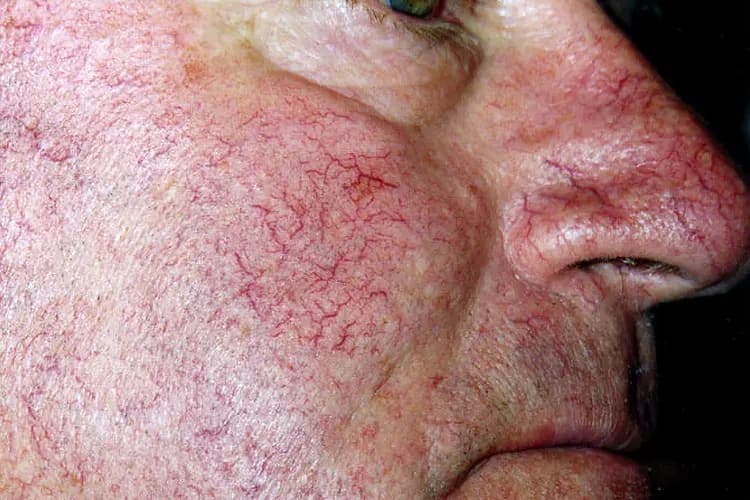
Spider veins are small, visible blood vessels that appear close to the surface of the skin. They may look like fine red, purple, or bluish lines and can sometimes form a branching or web-like pattern.
On the face, these visible vessels are commonly referred to as facial telangiectasia or thread veins. They may appear around the nose, cheeks, chin, or other areas where superficial blood vessels become more noticeable.
Facial spider veins are usually a cosmetic concern, but their appearance can sometimes be associated with underlying skin conditions such as rosacea. They may also become more visible with factors such as sun exposure, skin sensitivity, temperature changes, or repeated flushing.
Common features include:
- Fine red, purple, or blue visible vessels.
- Small branching or web-like patterns.
- Vessels that remain visible rather than disappearing quickly.
- Common appearance around the nose and cheeks.
- Increased visibility after heat, exercise, or flushing in some people.
The appearance and cause of visible facial veins can vary from person to person. This is why a proper skin assessment is important before starting spider veins treatment and selecting an appropriate laser or vascular treatment approach.
What Causes Facial Spider Veins?
Facial spider veins can develop for different reasons. In many cases, the exact cause is not always clear, but several factors can contribute to the appearance or increased visibility of small superficial blood vessels.
Common contributing factors include:
- Sun exposure: Long-term ultraviolet exposure can affect the skin and make superficial blood vessels more noticeable.
- Rosacea: People with rosacea may develop persistent facial redness and visible small blood vessels.
- Genetics: Some people may be more prone to visible facial blood vessels because of their skin type or family tendency.
- Age-related skin changes: As skin changes with age, superficial blood vessels may become more visible.
- Repeated flushing: Frequent facial flushing caused by heat, exercise, spicy foods, or temperature changes may make visible vessels more noticeable.
- Hormonal changes: Hormonal fluctuations may contribute to vascular changes in some individuals.
- Skin irritation: Repeated irritation or inflammation can sometimes make facial redness and visible vessels more prominent.
- Previous skin treatments: Certain procedures or prolonged use of irritating products may contribute to persistent redness or visible vessels in susceptible skin.
Facial spider veins can also occur alongside other vascular skin conditions. For example, rosacea may cause persistent redness and visible telangiectasia, while other conditions can produce similar-looking vessels.
Because the cause and appearance can vary, an appropriate assessment is important before choosing a treatment. Identifying associated conditions such as rosacea can also help with long-term management and reduce the likelihood of new visible vessels developing.
Spider Veins vs Broken Capillaries vs Rosacea: What's the Difference?
Spider veins, broken capillaries, and rosacea can sometimes look similar, especially when they appear on the face. However, they are not exactly the same condition, and identifying the underlying cause can help determine the most appropriate treatment.
Spider Veins
Spider veins are visible small blood vessels that may appear as fine red, purple, or bluish lines. On the face, they are often referred to as telangiectasia or thread veins. They may occur around the nose, cheeks, or other areas of the face.
Broken Capillaries
The term "broken capillaries" is commonly used to describe small visible superficial blood vessels. They can appear as fine red lines or small branching vessels and may be associated with factors such as sun exposure, skin irritation, or repeated flushing.
Rosacea
Rosacea is a chronic inflammatory skin condition that can cause persistent facial redness, flushing, and visible blood vessels. Some people with rosacea may also develop papules, pustules, or other skin changes.
Treating visible vessels in someone with rosacea may require a broader management plan because laser treatment may address the visible blood vessels but does not necessarily treat the underlying tendency toward rosacea.
Why the Difference Matters
Although these conditions can overlap in appearance, treatment should be based on an appropriate assessment of the skin and visible vessels. A healthcare professional can evaluate whether the veins are isolated cosmetic vessels or part of an underlying condition such as rosacea.
If visible facial veins are associated with persistent redness, burning, frequent flushing, or other skin symptoms, addressing the underlying condition may be an important part of the overall treatment plan.
How Does Laser Treatment for Spider Veins Work?
Laser treatment for spider veins uses controlled light energy to target visible blood vessels beneath the skin. The laser energy is absorbed by blood within the targeted vessel, producing heat that can cause the vessel to close or become less visible over time.
For facial spider veins and telangiectasia, vascular laser treatment may be considered when the vessels are suitable for laser therapy. The exact laser type and settings depend on factors such as the vessel's size, colour, depth, location, and the patient's skin type.
What Happens to the Treated Vessel?
The laser delivers carefully controlled energy to the selected blood vessel. The treated vessel may become less noticeable as the body's natural processes gradually clear or remodel the targeted vascular tissue.
The response is not always immediate. Some vessels may become less visible relatively soon after treatment, while others may require additional sessions or several weeks for the full response to become apparent.
Why Professional Assessment Matters
Laser treatment is not appropriate for every type of visible facial vein or every skin condition. Incorrect laser selection or settings can increase the risk of burns, pigmentation changes, prolonged redness, or other complications.
Before treatment, the skin should therefore be assessed by a qualified professional who can determine whether the visible vessels are suitable for vascular laser treatment and select an appropriate treatment approach.
The goal of treatment is to reduce the appearance of unwanted visible vessels while minimizing injury to the surrounding skin. Individual results can vary depending on the characteristics of the vessels and the patient's skin.
Who May Be Suitable for Spider Veins Treatment?
Spider veins treatment may be considered for adults who have visible superficial blood vessels that they would like to reduce for cosmetic reasons. Suitability depends on the location, size, colour, and depth of the vessels, as well as the patient's skin type and overall skin condition.
A professional assessment is important before treatment. It may help determine whether laser treatment is appropriate and whether an underlying condition, such as rosacea, should also be addressed.
You may be considered for treatment if you have:
- Small visible red, purple, or bluish facial veins.
- Thread veins or telangiectasia around the nose, cheeks, or chin.
- Persistent visible vessels that have not improved with basic skincare.
- Cosmetic concerns related to prominent facial blood vessels.
- Suitable skin and vascular characteristics for the selected laser treatment.
When Treatment May Need to Be Delayed
Laser treatment may not be appropriate at the time of consultation if the skin has an active infection, significant inflammation, an active flare of certain skin conditions, or recent procedures that have not fully healed.
People with a history of abnormal scarring, pigmentation problems, photosensitivity, or certain medications may also require additional assessment before treatment.
If facial redness is associated with rosacea, treating the visible vessels alone may not address the underlying condition. A broader treatment plan may therefore be recommended.
The final decision should be made after examining the skin and visible blood vessels and discussing the patient's medical history, expectations, and potential risks.
What Happens During Spider Veins Treatment?
A spider veins treatment session usually begins with an assessment of the visible blood vessels and the surrounding skin. The treatment approach is selected according to the size, colour, location, and appearance of the vessels and the patient's skin characteristics.
1. Skin Assessment
The treatment area is examined to determine whether the visible vessels are suitable for vascular laser treatment. The clinician may also assess for associated conditions such as rosacea or persistent facial redness.
2. Skin Preparation
The treatment area is cleansed before the procedure. Depending on the treatment area and laser system being used, appropriate eye protection is provided to protect the patient and treatment staff.
3. Laser Treatment
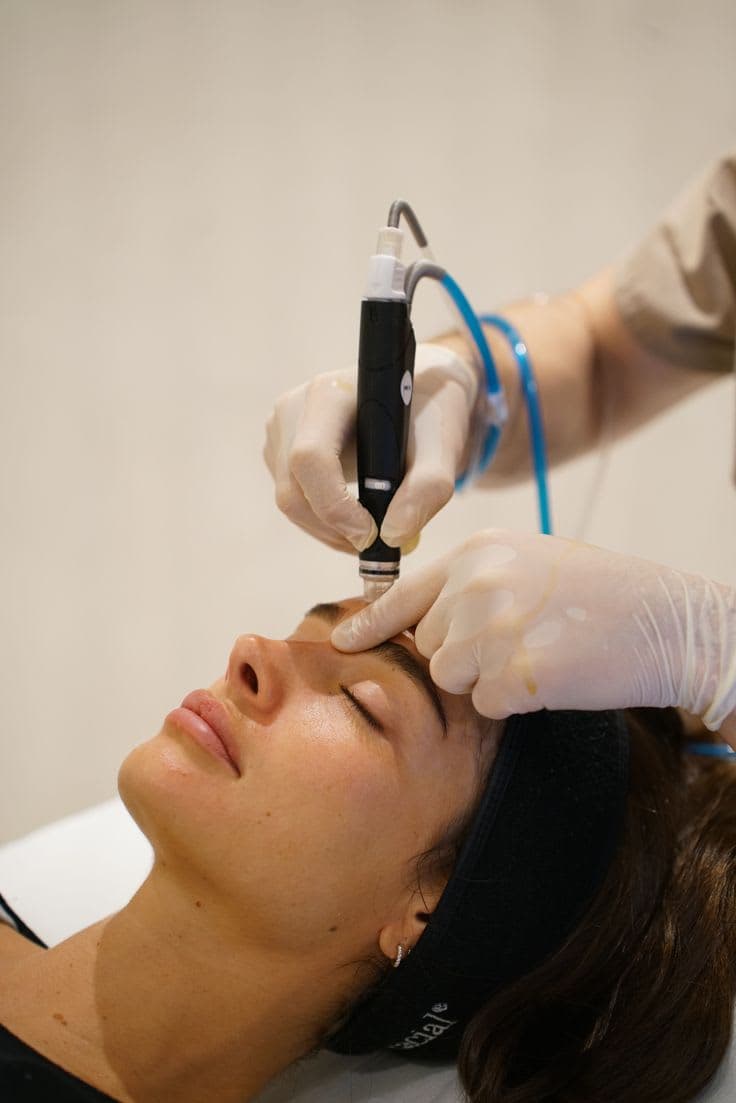
The laser device delivers controlled pulses of energy to the targeted blood vessels. Patients may experience a brief snapping, stinging, or warming sensation during treatment. The exact settings are adjusted according to the vessel characteristics and the patient's skin type.
4. After the Treatment
Temporary redness, mild swelling, or a warm sensation can occur in the treated area. These effects generally settle with time, although the expected recovery can vary depending on the treatment and individual skin response.
Patients are given aftercare instructions, which may include protecting the treated area from sun exposure and avoiding unnecessary irritation while the skin recovers.
The duration of a session depends on the size and number of vessels being treated. Treatment should always be performed using an appropriate vascular laser protocol by a trained healthcare professional.
How Many Sessions Are Needed for Spider Veins Treatment?
The number of sessions needed for spider veins treatment varies from person to person. Some small superficial vessels may show a noticeable response after one treatment, while larger, more numerous, or deeper vessels may require additional sessions.
The treatment plan can depend on:
- The size and number of visible blood vessels.
- The colour and depth of the vessels.
- The treatment area.
- The patient's skin type and individual response.
- The laser technology and treatment settings used.
- Whether an underlying condition such as rosacea is also present.
Sessions are generally spaced apart to allow the skin and treated vessels to recover and to give enough time for the response to become visible.
It is important not to promise a fixed number of sessions before assessing the patient's skin. During a consultation, the clinician can examine the vessels and provide a more realistic treatment plan based on their characteristics.
If new vessels develop over time, additional treatment may also be considered as part of ongoing vascular and skin management.
When Can You Expect Results After Spider Veins Treatment?
The response to spider veins treatment can vary depending on the size, depth, colour, and number of blood vessels being treated. Some small superficial vessels may appear less visible soon after treatment, while others can take several weeks to gradually fade.
What to Expect After Treatment
- Immediately after treatment: Mild redness, warmth, or swelling may occur around the treated area.
- During the following days: The treated vessels may change in appearance as the skin responds to the laser.
- Over the following weeks: Some vessels may gradually become less noticeable as the body processes the treated vascular tissue.
- After several weeks: The overall response can be assessed to determine whether additional treatment may be beneficial.
Results are not always immediate, and one treatment does not necessarily remove every visible vessel. Larger or more persistent vessels may require additional sessions.
It is also possible for new visible blood vessels to develop over time, particularly when contributing factors such as rosacea, sun exposure, or repeated facial flushing remain present.
For this reason, the goal of treatment is to reduce the appearance of existing visible vessels while also managing any underlying skin or vascular condition that may contribute to new vessels appearing.
Spider Veins Treatment Before and After: What Results Can You Expect?
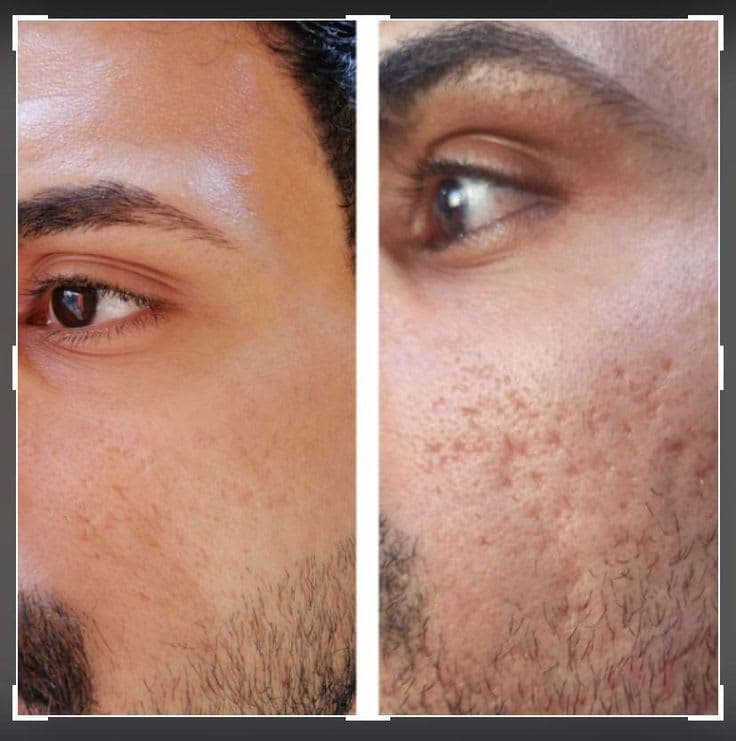
Before-and-after photographs can help document changes in the appearance of visible facial blood vessels following treatment. However, photographs should be compared carefully because lighting, camera angle, skin tone, makeup, and image quality can affect how veins appear.
Depending on the individual case, successful treatment may result in:
- Reduced visibility of small red or purple facial veins.
- Less prominent thread veins around the nose or cheeks.
- A more even appearance of the treated area.
- Gradual fading of selected superficial blood vessels over time.
- Improvement in the overall cosmetic appearance of the skin.
The degree of improvement varies between patients. Factors such as vessel size and depth, skin type, the number of vessels treated, the laser used, and the presence of conditions such as rosacea can influence the outcome.
Before-and-after images should therefore be viewed as examples of individual treatment responses rather than a guarantee of a particular result. For more accurate comparison, photographs should ideally be taken under similar lighting, camera settings, and angles before and after treatment.
A consultation allows the clinician to assess the visible vessels and discuss realistic expectations before starting treatment.
Is Spider Veins Laser Treatment Safe?
Laser treatment for spider veins can be a suitable option for selected patients when the appropriate vascular laser, treatment settings, and safety precautions are used. However, as with any cosmetic procedure, it is not completely risk-free.
A proper skin and vascular assessment before treatment is important. The clinician should consider the patient's skin type, the characteristics of the visible vessels, medical history, medications, previous procedures, and any underlying skin condition such as rosacea.
Common Temporary Effects
Some patients may experience temporary effects after treatment, including:
- Mild redness around the treated vessels.
- Temporary swelling.
- Warmth or mild discomfort.
- Temporary sensitivity of the treated skin.
- Temporary changes in the appearance of the treated vessels.
These effects generally improve as the skin recovers, although the recovery period can vary between individuals.
Possible Risks
Less common complications can include burns, blistering, changes in skin pigmentation, prolonged redness, or scarring. The risk can be influenced by skin type, laser settings, treatment technique, sun exposure, and individual healing response.
Patients with darker skin types or a history of pigmentation changes may require particular care when selecting the laser and treatment parameters.
Laser treatment should therefore be performed by an appropriately trained healthcare professional using a suitable device and individualized settings. Patients should also follow the recommended aftercare instructions and discuss any concerns or medical conditions before treatment.
Possible Side Effects and Risks of Spider Veins Treatment
Spider veins treatment is generally well tolerated when appropriate laser technology and treatment settings are used. However, temporary side effects can occur, and patients should understand the possible risks before treatment.
Common Side Effects
Some temporary effects may include:
- Mild redness in the treated area.
- Slight swelling around the treated vessels.
- Warmth, stinging, or mild discomfort.
- Temporary sensitivity of the skin.
- Temporary darkening or changes in the appearance of treated vessels.
- Mild crusting or surface irritation in some cases.
These effects usually improve as the skin recovers, although the recovery time can vary depending on the treatment area, laser settings, and individual skin response.
Less Common Risks
In some cases, laser treatment may cause:
- Temporary or prolonged pigmentation changes.
- Blistering or superficial burns.
- Changes in skin texture.
- Prolonged redness or inflammation.
- Scarring, although this is uncommon when appropriate treatment protocols are followed.
- Incomplete reduction of the visible blood vessels.
The risk of pigmentation changes may be higher in certain skin types or when inappropriate laser settings are used.
How Can Risks Be Reduced?
A proper consultation before treatment can help reduce avoidable complications. The clinician should assess the visible vessels, skin type, medical history, medications, previous procedures, and any associated skin condition such as rosacea.
Patients should also follow post-treatment instructions carefully, particularly regarding sun protection and avoiding unnecessary irritation of the treated skin.
If unusual pain, significant swelling, blistering, severe skin discoloration, or other concerning symptoms develop after treatment, the patient should contact the treating healthcare professional for assessment.
Suitability, session counts and recovery vary between individuals. Details are confirmed during your in-person assessment.