Face PRP Treatment in Lahore
1. Face PRP Treatment in Lahore
Face PRP Treatment in Lahore is a cosmetic procedure that uses platelet-rich plasma (PRP) prepared from the patient's own blood. It may be used as part of a skin rejuvenation plan to improve the appearance of skin texture, fine lines, and certain types of acne scars.
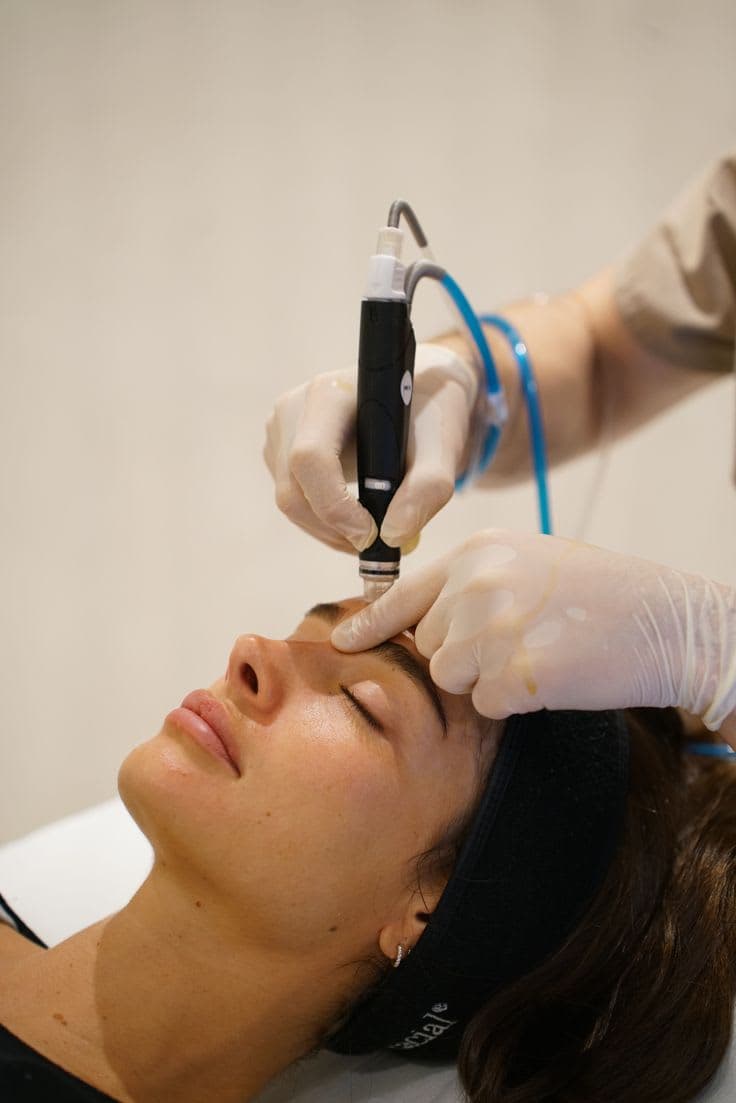
At Skinnex Clinic, face PRP treatment is considered according to the patient's skin condition, concerns, medical history, and treatment goals. The procedure involves collecting a small blood sample, processing it to concentrate platelets, and applying or injecting the prepared PRP into selected areas of the skin using an appropriate technique.
PRP is not a guaranteed solution for every skin concern. Results vary depending on individual factors, the treatment method, and the condition being treated. A consultation can help determine whether face PRP is a suitable option for you.
If you are considering PRP facial treatment in Lahore, understanding the procedure, potential benefits, limitations, and possible side effects can help you make an informed decision.
2. About Dr Muhammad Khalid Baloch
Dr Muhammad Khalid Baloch is associated with Skinnex Clinic in Lahore, where skin and aesthetic treatments are provided according to individual patient needs.
For patients considering Face PRP Treatment in Lahore, an assessment should take into account skin type, existing skin concerns, medical history, medication use, and previous cosmetic procedures. These factors help determine whether PRP may be appropriate or whether another treatment would be more suitable.
At Skinnex Clinic, the aim is to discuss realistic expectations and select treatment options according to each patient's needs. Patients are encouraged to ask questions about the procedure, expected results, risks, and aftercare before deciding to proceed.
3. What Is Face PRP?
Face PRP, or platelet-rich plasma facial treatment, is a procedure that uses a concentrated portion of a patient's own blood.
Blood contains platelets, which release signaling substances involved in the body's normal healing processes. During PRP preparation, a blood sample is processed using a centrifuge to separate its components and concentrate the platelets.
The prepared PRP may then be injected into selected areas of the face or applied alongside a suitable skin procedure, depending on the treatment protocol.
Face PRP is sometimes called a PRP facial or vampire facial. However, these terms may refer to different techniques. A PRP injection treatment and a facial involving microneedling with PRP are not necessarily the same procedure.
PRP is used in aesthetic medicine with the aim of supporting skin repair and improving certain visible skin concerns. The strength of the evidence varies by indication, and results cannot be guaranteed.
4. How Does PRP Work for the Face?
Platelets contain growth factors and other signaling molecules involved in normal tissue repair. PRP concentrates platelets from a patient's blood so they can be used in a targeted treatment.
When PRP is introduced into the skin using an appropriate technique, the platelet-derived signaling molecules may support processes involved in tissue repair and collagen remodeling.
Collagen is a structural protein that helps provide skin with firmness and support. Changes in collagen and skin structure occur naturally with age, sun exposure, and other factors.
PRP treatment aims to improve selected aspects of skin quality. Some patients may notice improvements in texture or the appearance of fine lines, but the degree of benefit varies. Research on facial PRP is still developing, and it should not be described as a guaranteed anti-aging treatment or a replacement for established medical care.
5. Face PRP Treatment Procedure
Face PRP treatment generally involves several steps. The exact procedure depends on the patient's skin condition and the technique selected by the treating professional.
Step 1: Skin Assessment
The skin is examined, and the patient's medical history, current medications, allergies, previous treatments, and treatment goals are reviewed. This helps determine whether PRP is appropriate.
Step 2: Blood Collection
A small amount of blood is collected from the patient's arm using appropriate sterile equipment.
Step 3: PRP Preparation
The blood sample is processed using a centrifuge to separate its components and prepare the platelet-rich portion. Preparation methods and the final PRP composition can vary.
Step 4: Preparing the Skin
The face is cleansed, and the treatment area is prepared. Depending on the procedure, a suitable topical numbing product may be used.
Step 5: Applying or Injecting PRP
The prepared PRP is introduced into selected areas using the chosen technique. This may involve small injections or application alongside a suitable skin procedure, such as microneedling, when clinically appropriate.
Step 6: Aftercare Guidance
After treatment, the patient receives instructions on skincare, sun protection, and activities or products to avoid temporarily.
The procedure should be performed with appropriate infection-control practices and equipment intended for the treatment.
6. What Skin Concerns Can Face PRP Help With?
Face PRP may be considered for selected cosmetic skin concerns, depending on the patient's condition and the available evidence.
Potential treatment goals include:
- Improving the appearance of certain acne scars.
- Supporting improvements in skin texture.
- Reducing the appearance of some fine lines.
- Improving the overall appearance of skin quality.
- Supporting skin rejuvenation as part of an individualized plan.
PRP is not equally effective for all skin conditions. Deep acne scars, pronounced wrinkles, significant skin laxity, active acne, and pigmentation disorders may require other treatments or a combination of approaches.
A skin assessment can help identify the main concern and determine whether PRP is a reasonable option. Patients should be given realistic information about the likely benefits, limitations, and alternatives before treatment.
7. Face PRP for Acne Scars
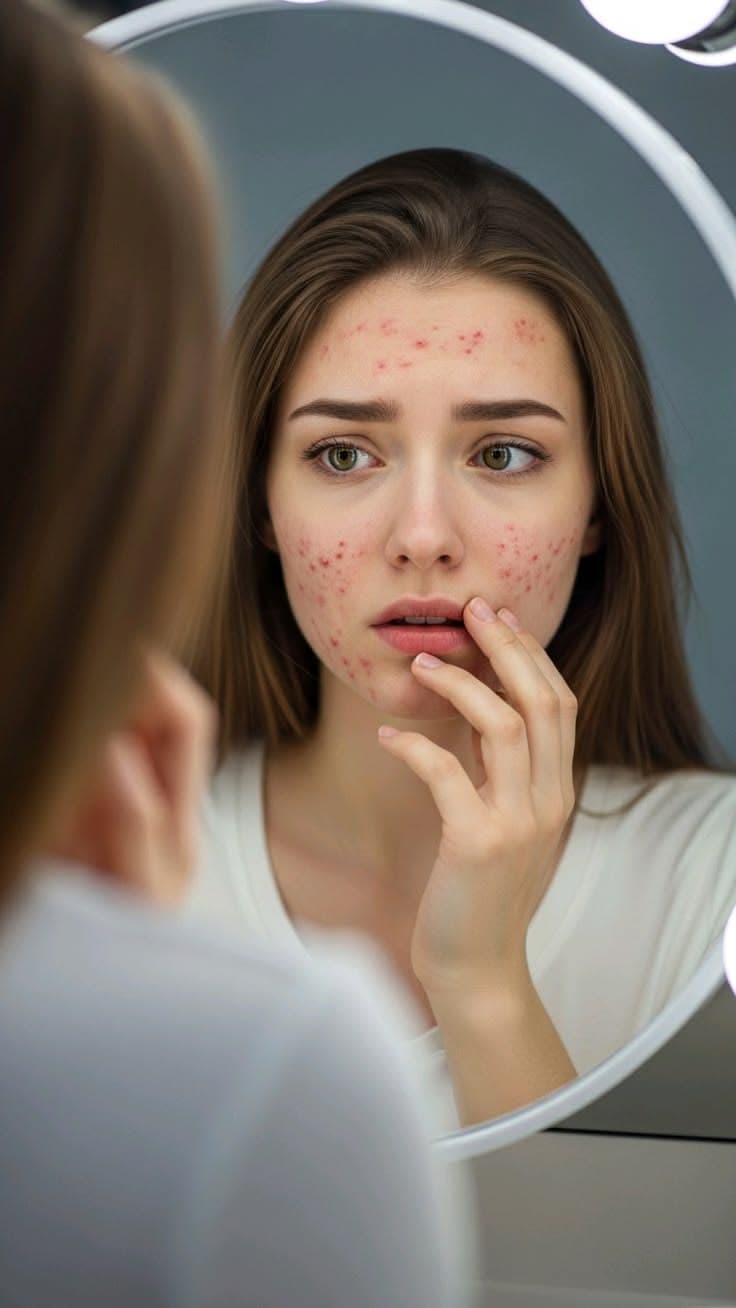
Acne scars can develop when inflammation from acne affects the skin's underlying structure. The type and depth of scarring influence which treatments may be appropriate.
Face PRP may be considered as an adjunct to selected acne-scar treatments, including microneedling, in suitable patients. Some studies suggest that combining PRP with certain procedures may improve outcomes, but the strength of evidence and the degree of improvement vary.
Different types of acne scars may respond differently:
- Rolling scars: Broad depressions that create an uneven skin surface.
- Boxcar scars: Depressed scars with more defined edges.
- Ice-pick scars: Narrow, deeper scars that extend into the skin.
PRP alone may not adequately treat every type of acne scar. Other options, such as microneedling, subcision, chemical peels, or fractional laser procedures, may be considered depending on the scar type and skin characteristics.
Active acne should generally be managed before undertaking procedures intended to treat scarring. A professional assessment can help establish a suitable treatment plan.
8. Face PRP for Fine Lines and Skin Texture
Fine lines and uneven skin texture can be influenced by aging, sun exposure, dehydration, and changes in collagen.
Face PRP may help improve the appearance of certain aspects of skin texture and fine lines in some patients. The results are usually gradual and may be subtle rather than dramatic.
The outcome depends on factors such as skin condition, age, treatment technique, number of sessions, and individual response. PRP should not be expected to remove deep wrinkles, significantly tighten loose skin, or produce the same results as a surgical procedure.
Daily sun protection, appropriate skincare, and management of underlying skin conditions remain important. During a consultation, PRP can be compared with other options based on the patient's concerns and expectations.
9. Face PRP for Skin Rejuvenation
Skin rejuvenation refers to treatments intended to improve the appearance and quality of the skin. Common concerns include dullness, uneven texture, fine lines, and changes associated with sun exposure and aging.
Face PRP is sometimes used as part of a skin rejuvenation plan because platelets contain signaling molecules involved in tissue repair.
Potential benefits may include an improvement in the appearance of skin texture and selected signs of aging. However, results are not uniform, and the evidence supporting PRP for different facial concerns continues to develop.
PRP is not a substitute for daily sunscreen, a suitable skincare routine, or medical treatment for skin disease. Depending on the patient's goals, a clinician may discuss alternatives such as microneedling, selected chemical peels, or other evidence-based procedures.
The most appropriate option depends on the individual's skin, medical history, and desired outcome.
10. Who Is a Good Candidate for Face PRP?
Face PRP may be an option for adults who want to address selected cosmetic skin concerns and understand that results can vary.
A suitable candidate may:
- Have concerns about mild skin-texture changes or certain acne scars.
- Prefer a treatment prepared from their own blood.
- Have realistic expectations about the possible degree of improvement.
- Be willing to follow treatment and aftercare instructions.
- Be medically suitable for blood collection and the planned procedure.
PRP may not be suitable for everyone. Certain blood disorders, low platelet counts, active infections, significant skin inflammation, or other medical conditions may affect eligibility. Medication use and bleeding-related concerns should also be reviewed.
Patients should tell the treating professional about all medicines and supplements they use. They should not stop prescribed medication without advice from the clinician responsible for their care.
A consultation is important to determine whether face PRP is appropriate or whether another treatment may better address the concern.
11. How Many PRP Sessions Are Needed?
The number of Face PRP sessions depends on the skin concern, treatment method, individual response, and overall treatment plan.
Some treatment plans involve a series of sessions spaced several weeks apart. Others may use a different schedule depending on the indication and whether PRP is combined with another procedure.
There is no single session schedule that is suitable for every patient. Acne scars, fine lines, and general skin-texture concerns may require different approaches.
During consultation, the clinician can discuss the proposed number of sessions, spacing between treatments, expected timeline, and possible maintenance requirements.
Patients should be cautious of claims that a specific number of sessions will guarantee a particular result.
12. Face PRP Before and After
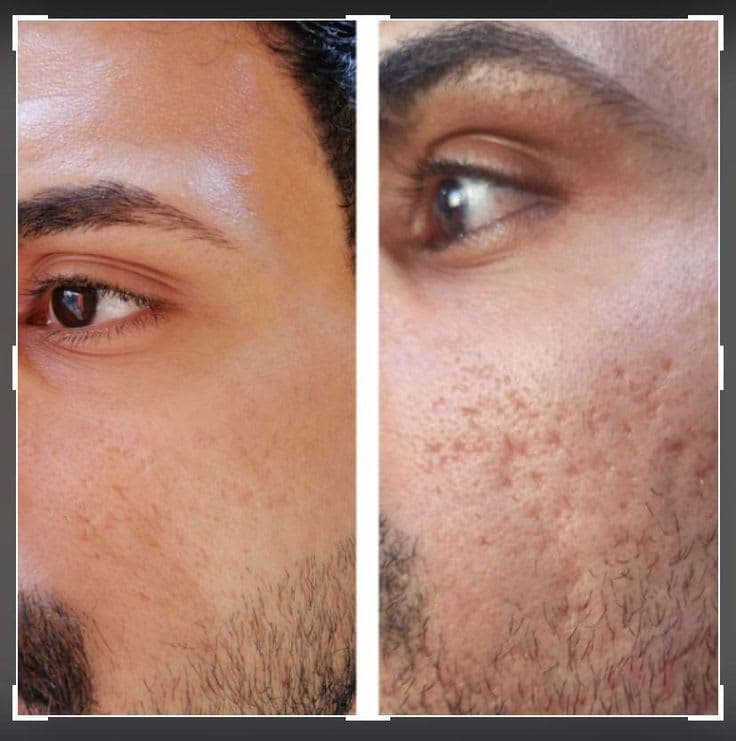
Before-and-after photographs can help patients understand the kinds of changes that may occur following face PRP, but individual results vary.
Some patients may notice gradual changes in skin texture or the appearance of selected fine lines. Others may experience limited or no visible improvement.
When reviewing photographs, consider:
- The type and severity of the original skin concern.
- The number of treatments completed.
- The time elapsed between photographs.
- Whether other treatments were performed.
- Differences in lighting, camera angle, and skincare.
Photographs should represent genuine patient outcomes and should not be altered in ways that exaggerate treatment effects. Appropriate consent should be obtained before using patient images.
Face PRP cannot guarantee scar removal, permanent wrinkle reduction, or a particular cosmetic outcome. A consultation can help establish realistic expectations for your skin.
13. When Will You See Results?
Results from Face PRP are not usually immediate. The timing depends on the skin concern, the treatment technique, and the patient's individual response.
Some patients may experience temporary redness or swelling shortly after the procedure. These are treatment-related reactions rather than proof that the treatment has worked.
If improvement occurs, changes in skin texture or the appearance of fine lines may develop gradually over the following weeks. Acne-scar improvement, particularly when PRP is combined with another procedure, may require multiple sessions and an extended
Suitability, session counts and recovery vary between individuals. Details are confirmed during your in-person assessment.